How Sinus Issues Impact Sleep
A good night’s sleep is essential for overall health, but for many people, sinus problems make restful sleep difficult to achieve. Congestion, pressure, and drainage can disrupt normal breathing patterns, leading to restless nights and fatigue during the day. While sinus issues may seem like a minor inconvenience, their impact on sleep can be significant and long-lasting if not properly addressed.
Why Sinus Problems Get Worse at Night
Many people notice that their sinus symptoms feel worse when they lie down. This happens for several reasons. When you are upright, gravity helps mucus drain more easily from the sinuses. Once you lie flat, mucus can pool in the nasal passages and sinuses, increasing congestion and pressure.
In addition, blood flow to the head increases when lying down, which can cause the nasal tissues to swell. This swelling narrows the airways and makes it more difficult to breathe through the nose. Dry indoor air, especially during colder months, can further irritate the nasal passages and thicken mucus, adding to the problem.
Common Sleep Disruptions Caused by Sinus Issues
Sinus problems can interfere with sleep in several ways, often leading to repeated awakenings and poor sleep quality.
- Nasal congestion that makes it difficult to breathe through the nose
- Post-nasal drip causing coughing or throat irritation
- Facial pressure or headaches that worsen when lying down
- Snoring due to restricted airflow
- Mouth breathing, which can lead to dry mouth and discomfort
These disruptions may not fully wake you each time, but they can prevent deep, restorative sleep. Over time, this leads to daytime fatigue, difficulty concentrating, and reduced overall well-being.
The Connection Between Sinus Issues and Snoring
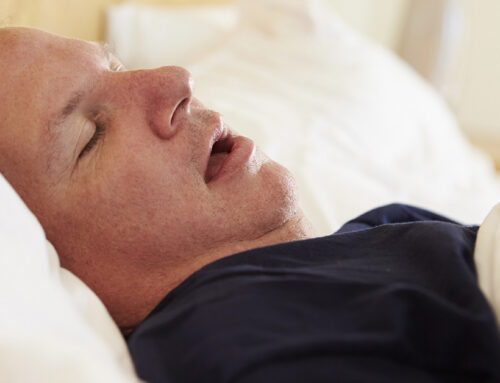
When nasal passages are blocked, the body often compensates by breathing through the mouth. This change in airflow increases the likelihood of snoring. Restricted airflow through the nose creates turbulence, which causes the soft tissues in the throat to vibrate during sleep.
Snoring can disturb both the individual and their partner, and in some cases, it may be associated with more serious sleep conditions. Even mild snoring caused by sinus congestion can significantly reduce sleep quality.
How Chronic Sinus Problems Affect Sleep Over Time
Short-term sinus issues may only cause temporary sleep disruption, but chronic sinus problems can have a lasting impact. Ongoing inflammation and congestion can lead to:
- Poor sleep quality night after night
- Increased daytime sleepiness
- Reduced productivity and focus
- Greater reliance on caffeine or sleep aids
In some cases, chronic sinus problems may contribute to conditions like sleep-disordered breathing, where normal breathing patterns are repeatedly interrupted during sleep.
Ways to Improve Sleep When Dealing With Sinus Issues
There are several steps you can take to reduce sinus-related sleep disruptions and improve overall comfort at night.
- Elevate your head with an extra pillow to encourage sinus drainage
- Use a humidifier to add moisture to dry indoor air
- Stay hydrated to keep mucus thin and easier to clear
- Use saline sprays or rinses before bed to clear nasal passages
- Avoid allergens or irritants that may worsen congestion
These simple adjustments can help improve airflow and reduce nighttime symptoms.
When to See a Specialist
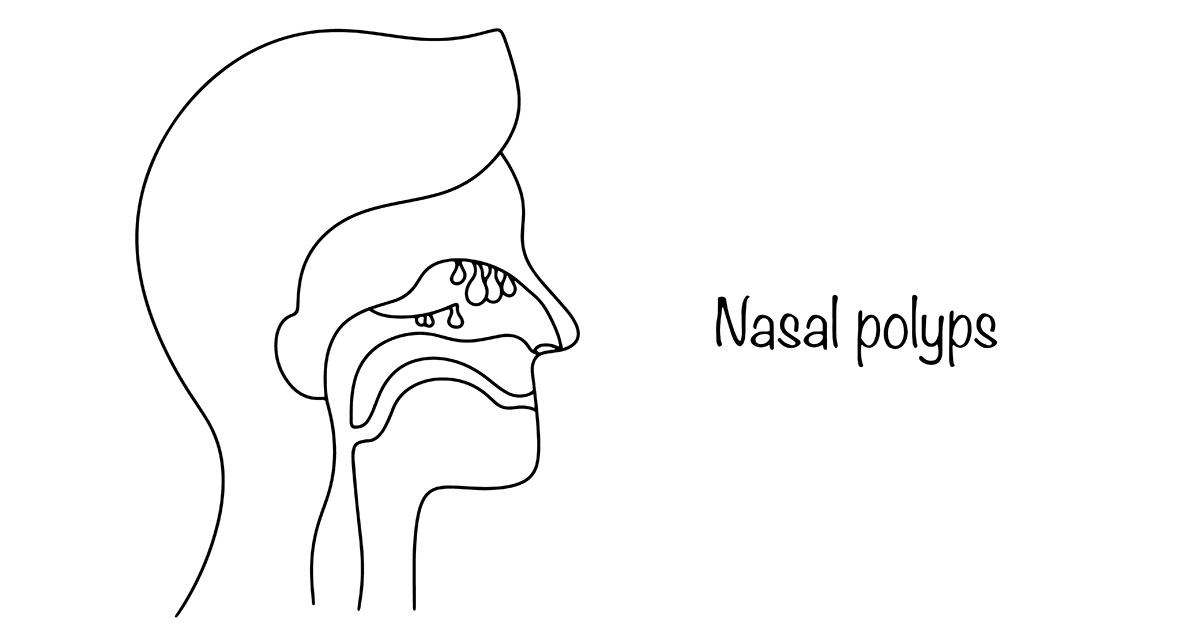
If sinus symptoms are consistently interfering with your sleep, it may be time to seek professional evaluation. Persistent congestion, frequent sinus infections, or ongoing snoring may indicate an underlying issue such as allergies, nasal polyps, or structural blockage.
An ear, nose, and throat specialist can evaluate your symptoms and recommend treatments to restore proper airflow and sinus function. Addressing the root cause can lead to better sleep and improved quality of life.
Final Thoughts
Sinus issues can have a greater impact on sleep than many people realize. From congestion and pressure to snoring and mouth breathing, these problems can prevent restful, uninterrupted sleep. By recognizing the connection between sinus health and sleep quality, you can take steps to improve both. With the right care and treatment, better sleep and easier breathing are within reach.