Mouth Breathing: When It’s More Than Just a Habit and Why an ENT Visit Matters
Breathing through your mouth occasionally—such as during a cold or intense exercise—is normal. But if mouth breathing becomes your default, especially during sleep, it may signal an underlying issue that needs medical attention. Chronic mouth breathing is more than a minor annoyance. Over time, it can affect sleep quality, sinus health, dental health, and overall well-being.
If you or your child consistently breathes through the mouth instead of the nose, it may be time to consider an evaluation with an ear, nose, and throat specialist.
Why Nose Breathing Matters
The nose is designed to filter, warm, and humidify the air you breathe. Tiny hairs and mucus trap dust, allergens, and bacteria before they enter the lungs. When breathing shifts to the mouth long term, these protective functions are bypassed.
Chronic mouth breathing can lead to:
- Dry mouth and throat irritation
- Increased snoring
- Poor sleep quality
- Bad breath
- Increased risk of cavities and gum disease
- Fatigue and daytime sleepiness
In children, prolonged mouth breathing can even influence facial development and dental alignment over time.
Common Causes of Chronic Mouth Breathing
Mouth breathing is often a symptom of nasal obstruction rather than a conscious habit. Common causes include:
- Chronic nasal congestion: Ongoing allergies, sinus infections, or inflammation can make it difficult to breathe through the nose.
- Deviated septum: If the wall between the nasal passages is significantly off-center, airflow can be restricted.
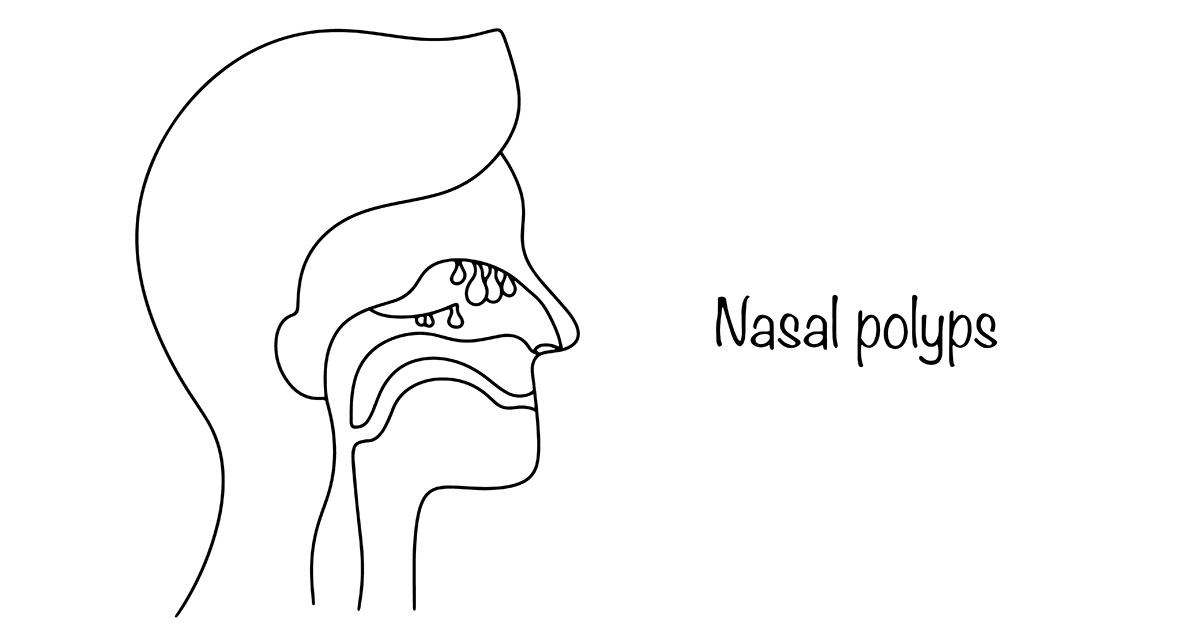
- Nasal polyps: These soft growths inside the nasal passages can block airflow and sinus drainage.
- Enlarged turbinates: The turbinates are structures inside the nose that help filter air. When swollen, they can obstruct breathing.
- Enlarged adenoids (in children): In younger patients, enlarged adenoids can significantly block nasal airflow and cause persistent mouth breathing.
Identifying the underlying cause is essential for effective treatment.
Signs You May Need to See an ENT
Occasional mouth breathing during illness is common, but certain signs suggest a deeper issue:
- Constant nasal congestion
- Snoring or restless sleep
- Waking up with a dry mouth
- Frequent sinus infections
- Reduced sense of smell
- Daytime fatigue
- In children, open-mouth posture or speech changes
If these symptoms persist, a professional evaluation can determine whether structural or inflammatory issues are present.
How an ENT Can Help
An ENT specialist can perform a thorough examination of the nasal passages and sinuses to identify blockages, inflammation, or anatomical abnormalities. Depending on the diagnosis, treatment options may include:
- Allergy management and medications to reduce inflammation
- Nasal sprays to shrink swollen tissues
- Treatment for chronic sinus infections
- Minimally invasive procedures to improve airflow
- Surgical correction of structural issues such as a deviated septum
The goal is to restore proper nasal breathing, which often improves sleep quality, reduces snoring, and enhances overall health.
The Long-Term Benefits of Treating Mouth Breathing
Addressing mouth breathing can significantly improve quality of life. Restoring nasal airflow helps protect the respiratory system, reduces sinus infections, and promotes better sleep. In children, early intervention may prevent long-term dental and facial development concerns.
Final Thoughts
Chronic mouth breathing is rarely just a harmless habit. It is often a sign that something is blocking normal nasal airflow. If you or your child struggles with persistent mouth breathing, an ENT evaluation can uncover the cause and provide targeted solutions. Healthy breathing starts with a clear nose—and the right care can make all the difference.