What Are the Main Symptoms of Sinusitis?
Sinusitis, commonly referred to as a sinus infection, is a condition marked by inflammation of the sinus cavities. It affects millions of people each year and can range from mild and short-lived to chronic and disruptive. Recognizing the main symptoms of sinusitis is important, as early identification can help guide appropriate treatment and prevent symptoms from becoming long-lasting or recurrent.
Understanding Sinusitis
The sinuses are air-filled spaces located behind the forehead, cheeks, eyes, and nose. They produce mucus that normally drains through small openings into the nasal passages. Sinusitis occurs when these drainage pathways become blocked due to inflammation, swelling, or infection. When mucus becomes trapped, pressure builds and symptoms begin to develop.
Sinusitis can be classified as acute, subacute, chronic, or recurrent depending on how long symptoms last and how often they occur. Regardless of type, many symptoms overlap.
Nasal Congestion and Blockage
One of the most common symptoms of sinusitis is nasal congestion. Swelling of the nasal lining makes it difficult to breathe through the nose and often causes a feeling of fullness or blockage. Congestion may affect one or both sides of the nose and often worsens when lying down.
Thick Nasal Drainage
Sinusitis often leads to thick nasal discharge that may be yellow, green, or cloudy. This drainage may come from the nose or flow down the back of the throat, known as post-nasal drip. Post-nasal drip can cause throat irritation, coughing, and a frequent need to clear the throat.
Facial Pain and Pressure
Facial pain or pressure is a hallmark symptom of sinusitis. The discomfort is usually felt around the cheeks, forehead, eyes, or bridge of the nose. Many people notice that the pain worsens when bending forward or lying down. In some cases, sinus-related pain may be mistaken for headaches or dental pain.
Headache
Sinus headaches are often caused by pressure buildup in the sinus cavities. These headaches typically feel like a deep, aching pain in the forehead or behind the eyes. They may be worse in the morning or during sudden movements.
Reduced Sense of Smell and Taste
Inflammation and congestion can interfere with the ability to smell and taste. Some people experience partial loss, while others may notice a more significant reduction during active sinusitis. This symptom often improves once sinus drainage is restored.
Fatigue and General Discomfort
Sinusitis can cause overall fatigue and a feeling of being unwell. Poor sleep due to congestion, pressure, and post-nasal drip often contributes to low energy levels and difficulty concentrating during the day.
Ear Pressure or Fullness
Because the ears, nose, and throat are connected, sinus inflammation can affect the ears as well. Some people experience ear pressure, popping, or a sensation of fullness, even without an active ear infection.
Fever and Bad Breath
In cases of acute bacterial sinusitis, fever may be present. Bad breath can also occur due to trapped mucus and bacterial buildup within the sinuses.
When Symptoms Become a Concern
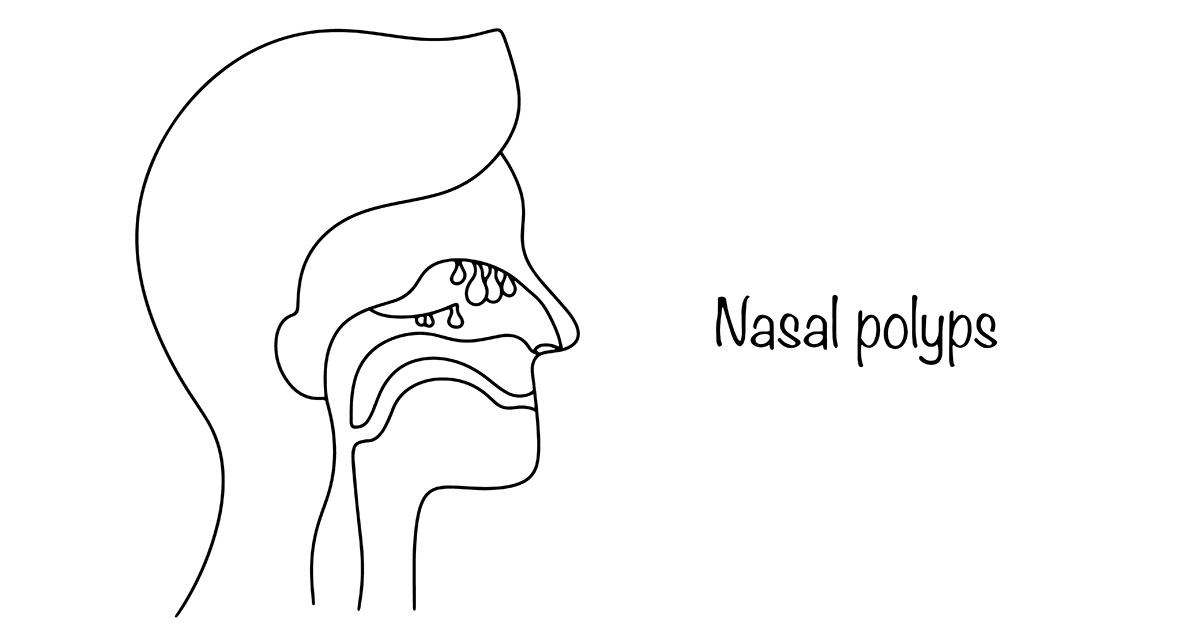
Sinusitis symptoms that last longer than 10 days, worsen after initial improvement, or recur frequently may require medical evaluation. Chronic sinusitis is often associated with underlying issues such as allergies, nasal polyps, or structural blockages that need targeted treatment.
Final Thoughts
The symptoms of sinusitis can vary in severity, but persistent congestion, facial pressure, thick drainage, and fatigue are common indicators. Recognizing these signs early allows for more effective treatment and helps prevent complications. If sinus symptoms interfere with daily life or continue to return, professional evaluation can help identify the cause and guide long-term relief.