When a Sinus Infection Needs More Than Antibiotics
Sinus infections are common, especially during colder months and allergy seasons. Many people assume that antibiotics are the default solution, but that isn’t always the case. In fact, relying on antibiotics alone can sometimes delay proper treatment and allow sinus problems to become chronic. Understanding when a sinus infection needs more than antibiotics can help you get the right care and long-term relief.
Not All Sinus Infections Are Bacterial
Most sinus infections begin as viral illnesses, such as the common cold. Viral sinus infections do not respond to antibiotics and typically improve on their own within seven to ten days. Using antibiotics in these cases offers no benefit and may contribute to antibiotic resistance.
Even when bacteria are involved, antibiotics may not fully resolve the problem if there are underlying issues affecting sinus drainage or inflammation.
Signs Antibiotics May Not Be Enough
If you’ve taken antibiotics but your symptoms continue—or keep returning—it may be a sign that something else is going on. Common red flags include:
- Symptoms lasting longer than 10 to 14 days
- Repeated sinus infections throughout the year
- Facial pain or pressure that does not improve
- Thick nasal drainage that keeps coming back
- Ongoing nasal congestion between infections
- Reduced sense of smell or taste
These symptoms often point to chronic sinus inflammation rather than a simple infection.
Underlying Issues That Antibiotics Cannot Fix
Antibiotics are designed to kill bacteria, but they do not address structural or inflammatory problems inside the nose and sinuses. Some of the most common underlying causes include:
- Allergies: Ongoing allergic inflammation blocks sinus drainage and makes infections more likely to recur.
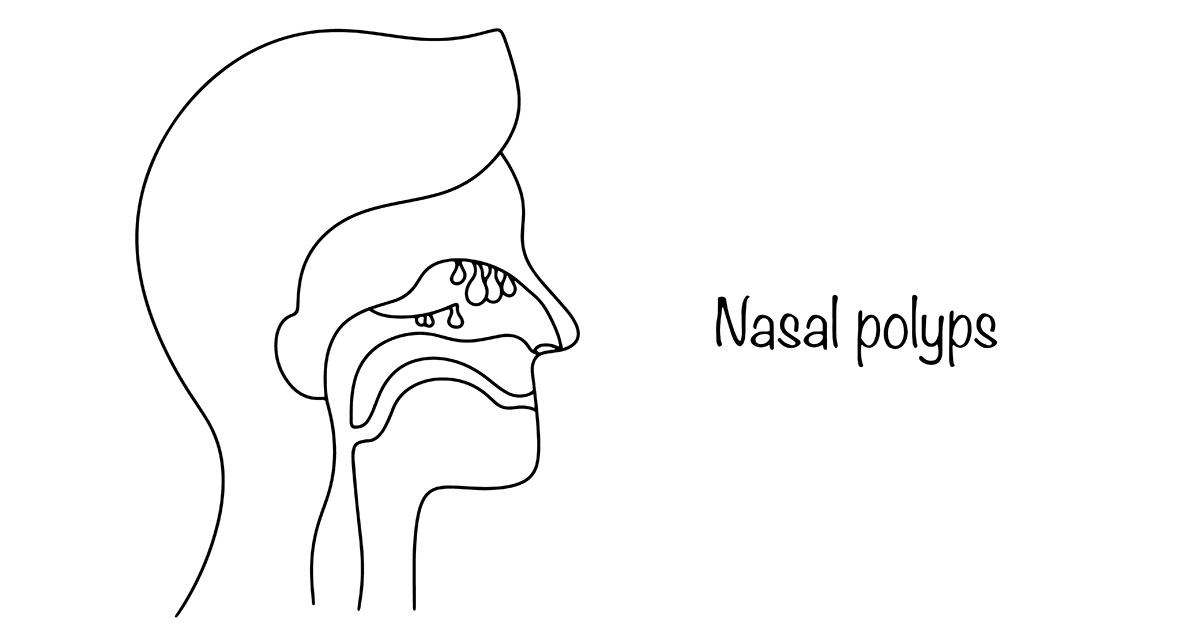
- Nasal polyps: Soft tissue growths can obstruct airflow and trap mucus inside the sinuses.
- Deviated septum or narrow sinus passages: Structural blockages prevent proper drainage, even after infection clears.
- Chronic sinusitis: Long-term inflammation causes persistent symptoms that require more comprehensive treatment.
Without addressing these factors, sinus infections may temporarily improve with antibiotics only to return weeks later.
Other Treatment Options for Persistent Sinus Infections
When antibiotics aren’t enough, treatment focuses on improving sinus drainage and reducing inflammation. Depending on the cause, options may include:
- Prescription nasal sprays or oral medications to reduce swelling
- Allergy management or allergy testing
- Saline rinses to clear mucus and irritants
- In-office procedures to open blocked sinus pathways
- Surgical options for severe or recurring cases
The goal is not just to treat the infection, but to prevent it from coming back.
When to See a Specialist
If sinus symptoms persist despite antibiotics, or if infections recur several times a year, it may be time to see a sinus specialist. A thorough evaluation can identify whether allergies, anatomy, or chronic inflammation are contributing to ongoing problems. Early intervention can help avoid repeated antibiotic use and reduce the risk of complications.
The Bottom Line
Antibiotics can be helpful for certain sinus infections, but they are not a one-size-fits-all solution. When symptoms linger or return, it often means there is an underlying issue that needs to be addressed. With the right diagnosis and a targeted treatment plan, lasting sinus relief is possible—without relying on repeated courses of antibiotics.