Why Adults Struggle with Fall Allergies — Even If They Never Had Them Before
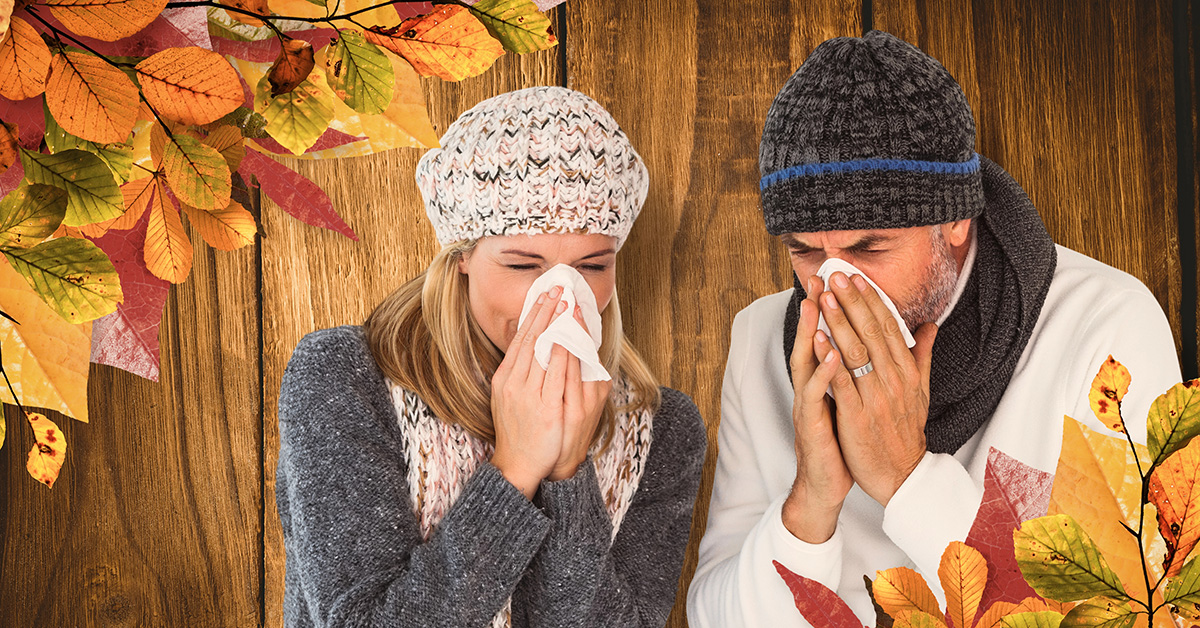
If you’ve noticed that autumn now brings more sneezing, congestion, or itchy eyes than it used to, you’re not alone. Many adults experience worsening allergies in the fall—or even develop them for the first time later in life. While allergies are often associated with childhood, it’s increasingly common for adults to find themselves battling new sensitivities as the seasons change.
Why Fall Allergies Develop in Adulthood
Allergies can appear at any age because the immune system never stops adapting. Over time, long-term exposure to allergens like pollen, mold, or dust mites can cause your body to develop a new sensitivity. Hormonal changes, stress, medications, and moving to a new environment can also make adults more reactive to allergens than they once were.
The fall season brings several triggers that are especially challenging for adults who spend time both indoors and outdoors:
- Ragweed pollen: Even in urban areas, ragweed pollen travels easily through the air and can linger through the first frost.
- Mold: Damp leaves, compost piles, and rainy weather keep mold spores in the air for weeks.
- Dust mites: When heating systems turn on after summer, they stir up months of accumulated dust, spreading allergens through the home.
The Adult Allergy Experience
Adult allergies often show up differently than childhood allergies. Instead of obvious sneezing fits or watery eyes, adults may notice more subtle but persistent symptoms:
- Chronic sinus pressure or facial pain
- Morning congestion that improves slightly throughout the day
- Fatigue, brain fog, or low energy
- Scratchy throat from post-nasal drip
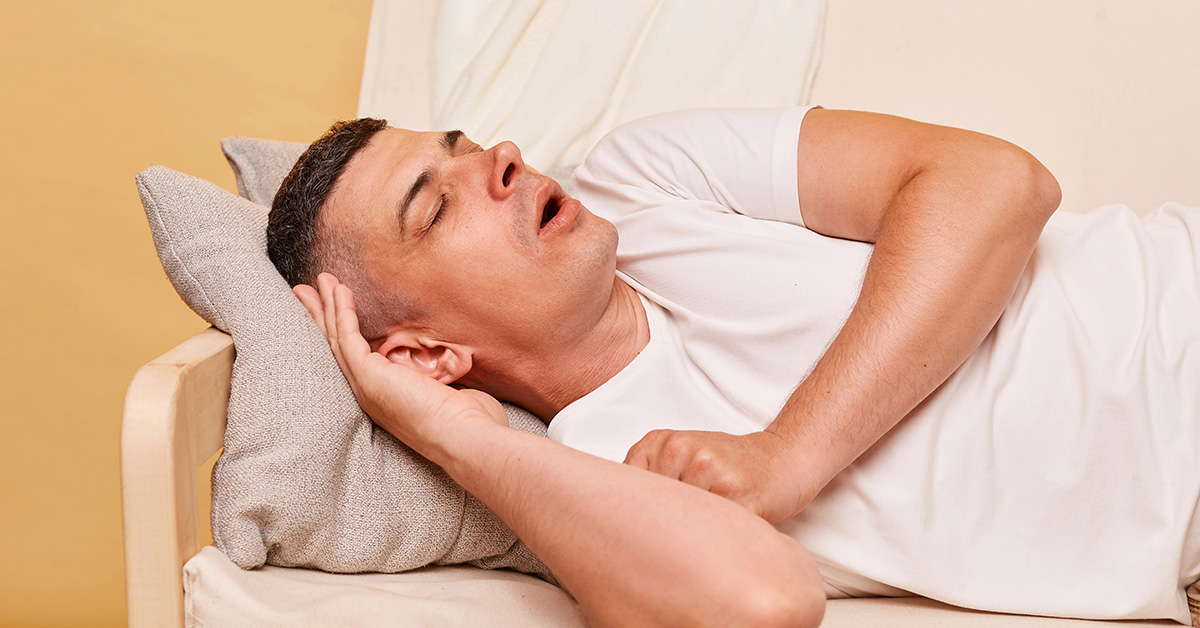
- Difficulty sleeping due to nasal blockage
Because these symptoms overlap with colds, sinus infections, or even aging, many adults dismiss them as “just seasonal stuffiness” rather than allergies. But untreated inflammation from allergies can cause long-term sinus issues or worsen asthma and other respiratory conditions.
Lifestyle Factors That Make Fall Allergies Worse
Adults often spend hours indoors where allergens accumulate—offices, gyms, and heated homes are perfect environments for dust and mold. Add in outdoor activities like yard work or hiking, and exposure becomes nearly constant.
Other adult-specific triggers can include:
- Stress: Chronic stress can weaken the immune system, amplifying allergic responses.
- Alcohol: Some wines, beers, and liquors contain histamines and sulfites that can worsen congestion.
- Medications: Certain blood pressure drugs and pain relievers can dry or irritate nasal passages, making allergy symptoms feel worse.
Managing Fall Allergies as an Adult
Fortunately, adults have many effective ways to reduce fall allergy symptoms and prevent sinus complications:
- Use HEPA filters in your home and office to remove allergens from the air.
- Rinse nasal passages daily with saline sprays to clear pollen and dust.
- Keep windows closed on high-pollen or windy days.
- Wash bedding weekly in hot water to eliminate dust mites.
- Discuss allergy testing with a specialist to identify specific triggers and consider immunotherapy for long-term relief.
When to Seek Help
If you’re experiencing ongoing congestion, fatigue, or sinus pressure every fall, it may be time to see an allergy or sinus specialist. What feels like an endless “seasonal cold” could actually be chronic allergic inflammation—and the sooner it’s identified, the easier it is to treat.
By pinpointing triggers and tailoring treatment to your environment and lifestyle, you can reclaim your fall season and breathe freely again.