Recovery After Endoscopic Sinus Surgery
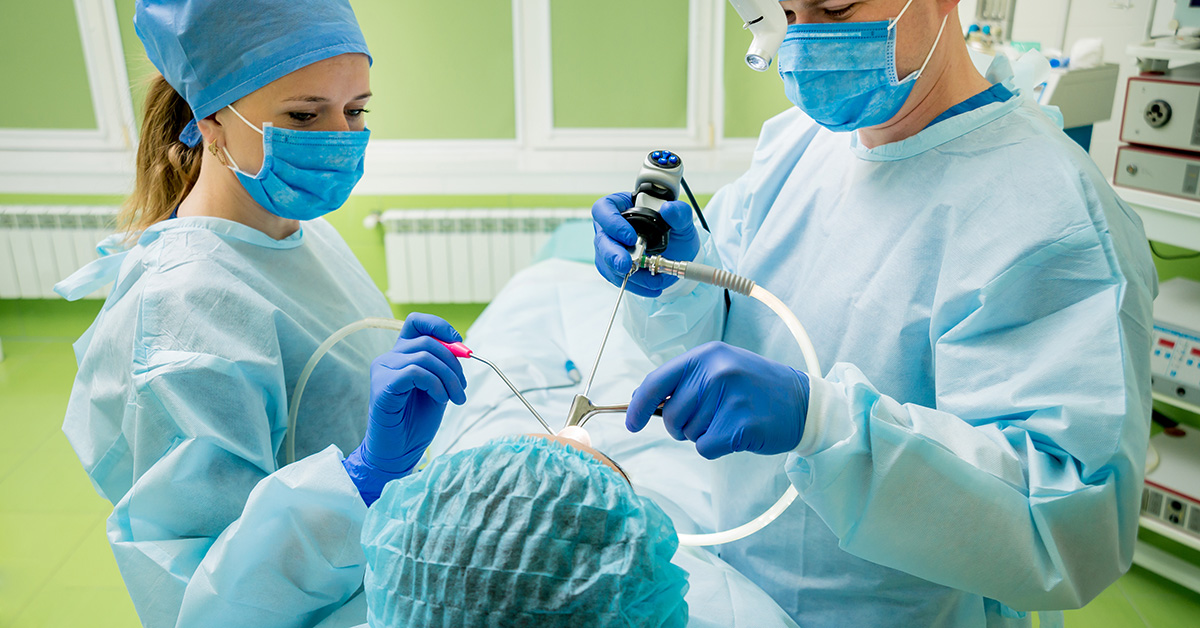
Endoscopic sinus surgery is a minimally invasive procedure designed to improve sinus drainage and relieve chronic sinus symptoms. While the surgery itself is typically performed on an outpatient basis, the recovery period plays a major role in achieving the best long-term results. Understanding what to expect can help patients feel more prepared and confident as they heal.
What to Expect Right After Surgery
Most patients go home the same day as their procedure. It is normal to experience some nasal congestion, mild facial pressure, and bloody or blood-tinged drainage for the first several days. These symptoms usually improve gradually as the sinuses begin to heal.
Your surgeon may place temporary packing or dissolvable materials inside the nose to support healing and reduce bleeding. In many modern cases, packing is minimal or not required at all, which can make the early recovery period more comfortable.
Mild fatigue is also common in the first few days as your body recovers from anesthesia and the procedure.
Managing Discomfort
Pain after endoscopic sinus surgery is typically mild to moderate and is often described more as pressure or a dull ache than sharp pain. Over-the-counter pain relievers are usually sufficient, though your surgeon may prescribe medication if needed.
Applying a cold compress to the forehead or cheeks during the first 24–48 hours can help reduce swelling and discomfort. Sleeping with your head elevated on two or more pillows also helps minimize congestion and drainage.
The Importance of Nasal Saline Rinses
One of the most important parts of recovery is consistent nasal saline irrigation. Rinsing the nose several times a day helps clear mucus, blood, and debris while keeping the sinus passages moist. This supports healing and reduces the risk of infection or crusting.
Your surgeon will provide specific instructions on when to begin rinses and how often to perform them. Using the correct technique and sterile or distilled water is essential.
Activity Guidelines
For the first week or two, it is important to avoid strenuous activity, heavy lifting, and bending over. These actions can increase pressure in the head and raise the risk of bleeding.
Most patients can return to light desk work or school within a few days to a week, depending on how they feel. Full exercise and more vigorous activities are usually delayed for 1–2 weeks or until cleared by your surgeon.
Avoid blowing your nose forcefully during the early healing period. If you need to sneeze, try to do so with your mouth open to reduce pressure in the sinuses.
Timeline of Healing
Recovery is gradual. Many patients notice improvement in breathing and reduced pressure within the first 1–2 weeks. However, complete healing of the sinus lining can take several weeks to a few months.
Follow-up visits are an important part of the process. During these appointments, your surgeon may perform gentle cleaning of the sinus cavities to remove crusts and ensure proper healing. These visits help optimize results and prevent complications.
When to Contact Your Surgeon
While most recoveries progress smoothly, contact your care team if you experience:
- Heavy or persistent bleeding that does not slow with gentle pressure
- Severe headache or facial pain that worsens
- Fever
- Vision changes
- Clear watery drainage that may suggest a cerebrospinal fluid leak (rare)
- Signs of infection such as increasing swelling, redness, or foul-smelling discharge
Supporting a Smooth Recovery
Staying well hydrated, using a humidifier, and following all post-operative instructions carefully can make a noticeable difference in comfort and healing speed. Avoiding smoke, strong irritants, and dusty environments during recovery is also helpful.
Every patient’s recovery is unique. Factors such as the extent of surgery, overall health, and adherence to post-operative care all influence the timeline. Your surgeon will provide personalized guidance based on your specific procedure and healing progress.
Looking Ahead
Endoscopic sinus surgery offers lasting relief for many people who have struggled with chronic sinus problems. With proper recovery care and follow-up, most patients experience improved breathing, fewer infections, and a better quality of life.
If you have questions about recovery or are preparing for sinus surgery, schedule a consultation with an experienced ENT specialist. Clear guidance and attentive care can help you feel confident every step of the way.
This information is for educational purposes only and is not a substitute for professional medical advice. Always follow the specific post-operative instructions provided by your surgeon.