Fall Allergies and Asthma: When Symptoms Peak
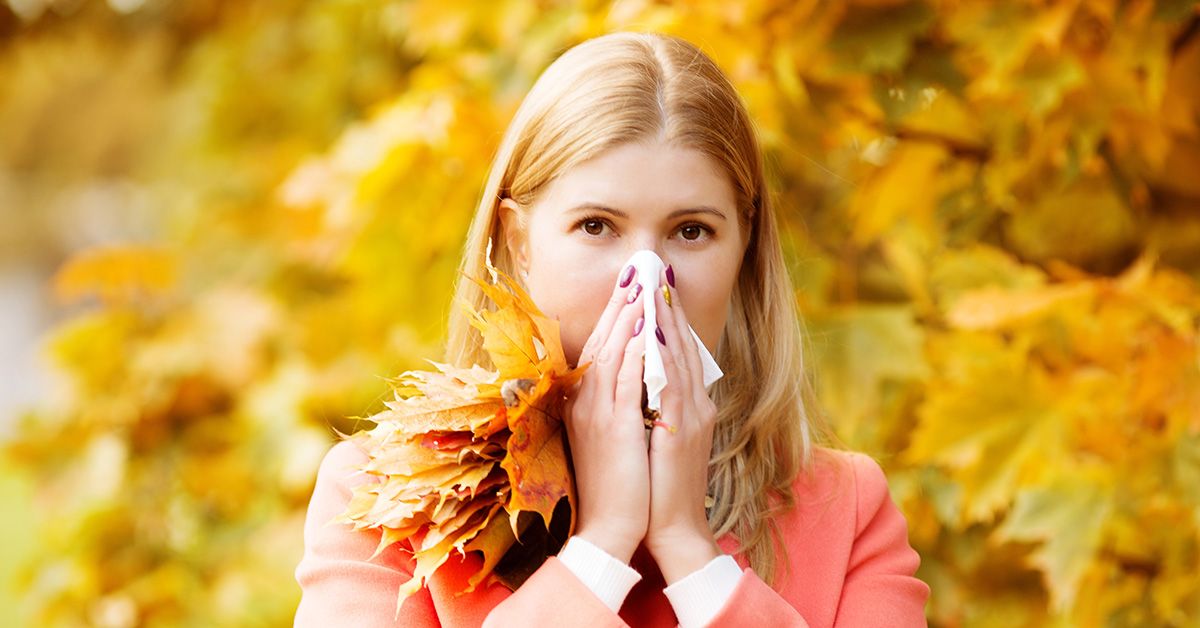
Cooler temperatures and changing leaves make fall a favorite season for many people. But for those with allergies or asthma, autumn can bring sneezing, congestion, coughing, and wheezing. Knowing what triggers fall symptoms, and when they tend to be at their worst, can help you prepare and breathe easier all season long.
What Causes Fall Allergies?
While spring gets most of the attention, fall has its own set of allergy triggers. The most common include:
- Ragweed pollen: Ragweed is the biggest fall allergy culprit. A single plant can release up to a billion pollen grains, and the lightweight pollen can travel for miles on the wind. Ragweed season typically begins in mid-August and lasts until the first hard frost.
- Mold spores: Damp, fallen leaves and compost piles create the perfect environment for mold to grow. Raking or jumping into leaf piles can stir spores into the air.
- Dust mites: When you turn on your heat for the first time, dust and dust mites that have settled in vents can circulate through your home.
- Other weeds: Plants like sagebrush, pigweed, lamb's quarters, and tumbleweed also release pollen in the fall.
When Is the Worst Time for Fall Allergies and Asthma?
For many people, September is the most difficult month of the fall season. Several factors overlap at this time of year:
- Ragweed peaks: Ragweed pollen counts are usually highest from late August through mid-September.
- Back-to-school season: Children return to classrooms where colds and respiratory viruses spread easily. Viral infections are a leading trigger for asthma flare-ups, especially in kids.
- Weather changes: Shifts in temperature and humidity can irritate sensitive airways.
Asthma flare-ups and asthma-related emergency visits commonly spike in September, often around the third week of the month. This pattern is sometimes called "September asthma peak."
Time of day matters too. Ragweed pollen levels tend to be highest in the morning, and warm, dry, windy days usually bring higher pollen counts. Mold, on the other hand, often worsens after rain and in damp conditions.
Common Symptoms of Fall Allergies
Fall allergy symptoms can look a lot like a cold, but they tend to last longer and don't come with a fever. Watch for:
- Sneezing and a runny or stuffy nose
- Itchy, watery eyes
- Itchy throat or ears
- Postnasal drip and frequent throat clearing
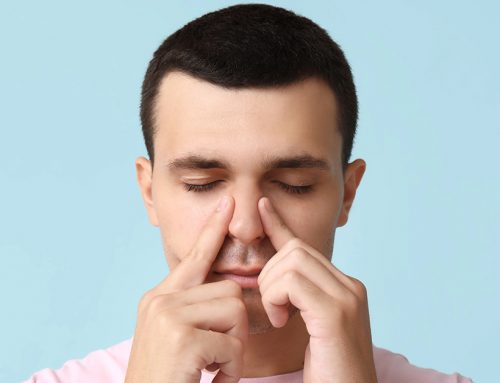
- Sinus pressure or headaches
- Coughing, wheezing, or shortness of breath (especially for those with asthma)
If symptoms last longer than 10 days or come back at the same time every year, allergies may be the cause.
Tips to Manage Fall Allergies and Asthma
A few simple habits can help reduce your exposure to fall triggers:
- Check pollen counts daily and limit time outdoors on high-pollen days.
- Keep windows closed at home and in the car, and use air conditioning when possible.
- Change your HVAC filters before turning on the heat for the season, and consider a HEPA filter.
- Shower and change clothes after spending time outside to remove pollen from your hair and skin.
- Wear a mask when raking leaves or doing yard work.
- Start allergy medications early, ideally before symptoms begin, if your provider recommends them.
- Stay up to date on your asthma action plan and keep rescue inhalers on hand.
When to See an ENT
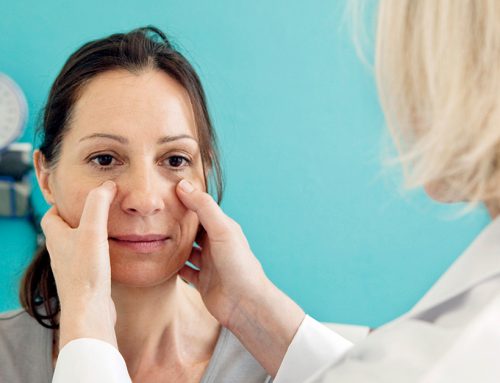
Over-the-counter medications help many people, but they aren't always enough. It may be time to see an ear, nose, and throat (ENT) specialist if you:
- Have allergy symptoms that interfere with sleep, work, or school
- Experience frequent sinus infections or ongoing sinus pressure
- Find that over-the-counter treatments no longer work
- Have chronic nasal congestion or difficulty breathing through your nose
- Notice your allergies are making your asthma harder to control
An ENT can perform allergy testing to pinpoint exactly what you're allergic to and recommend a personalized treatment plan. Options may include prescription nasal sprays, allergy shots or under-the-tongue drops (immunotherapy), or treatment for underlying sinus or nasal issues.
Breathe Easier This Fall
Fall allergies don't have to keep you from enjoying the season. With the right plan and expert care, you can reduce symptoms and feel your best. If seasonal allergies or sinus problems are affecting your quality of life, schedule an appointment with our ENT team today.