Sleeping With Sinus Congestion
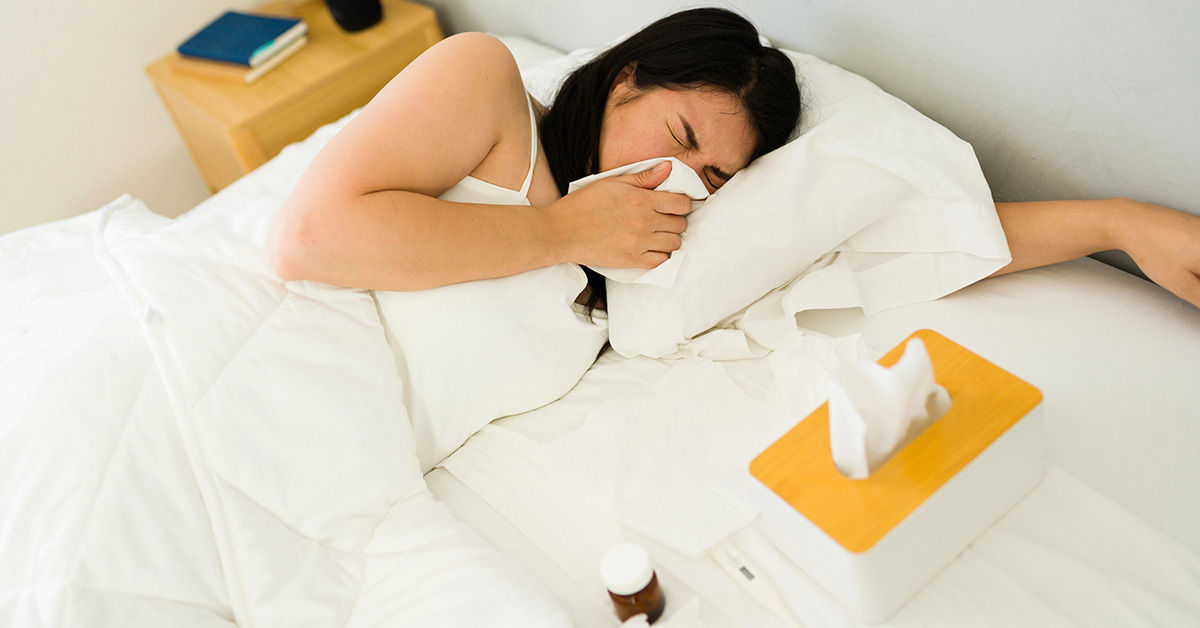
Sinus congestion can make getting a good night’s sleep feel almost impossible. A stuffy nose, facial pressure, postnasal drip, coughing, and difficulty breathing comfortably can keep you tossing and turning long after you get into bed.
The good news is that a few simple changes at home may help ease congestion and make nighttime more comfortable. While these tips won’t treat every underlying cause of sinus congestion, they can provide relief while your body recovers.
Elevate Your Head
One of the simplest ways to make sleeping with congestion more comfortable is to elevate your head while you sleep. Lying completely flat can allow mucus to collect and may make nasal pressure and postnasal drainage feel worse.
Try using an extra pillow or a wedge pillow to gently raise your head and upper body. The goal is to create a comfortable incline rather than bending your neck sharply.
If you regularly experience nighttime congestion, finding a comfortable sleeping position with your head slightly elevated may become one of the easiest additions to your bedtime routine.
Use a Saline Nasal Spray or Rinse
Saline can help moisturize the nasal passages and loosen thick mucus, making it easier to clear your nose.
A saline nasal spray can be used before bed to help relieve dryness and congestion. Some people also find nasal irrigation helpful when they are dealing with significant congestion or sinus symptoms.
If you use a neti pot or another nasal irrigation device, always follow the product instructions and use distilled, sterile, or appropriately treated water. Never use untreated tap water for nasal irrigation.
Take a Warm Shower
A warm shower before bed can be a relaxing part of your nighttime routine and may temporarily help loosen mucus and make breathing feel more comfortable.
You can also spend a few minutes in a steamy bathroom after a shower. Avoid extremely hot water, and be careful around steam to prevent burns.
For many people, pairing a warm shower with saline spray and head elevation can create a simple routine for managing nighttime congestion.
Stay Hydrated
Drinking enough fluids throughout the day can help keep mucus from becoming excessively thick. Water is a good choice, while warm liquids such as caffeine-free tea or broth may also feel soothing.
Try to stay hydrated during the day rather than drinking a large amount immediately before bed. Too many fluids right before bedtime can lead to frequent bathroom trips and make it harder to stay asleep.
Consider a Humidifier
Dry indoor air can irritate the nasal passages and make congestion feel more uncomfortable. A cool-mist humidifier may help add moisture to the air while you sleep.
If you use a humidifier, keeping it clean is especially important. Follow the manufacturer's cleaning instructions and change the water regularly. A dirty humidifier can introduce unwanted microorganisms into the air.
Keep Your Bedroom Comfortable
Your sleeping environment can make a difference when you're congested.
Keep your bedroom cool and comfortable, and try to minimize potential irritants. If dust or allergies contribute to your symptoms, regularly washing bedding and reducing dust in the bedroom may help.
For people with seasonal or environmental allergies, keeping windows closed when outdoor allergens are high and using appropriate air filtration may also be beneficial.
Be Careful With Decongestants
Over-the-counter medications can sometimes provide short-term relief from nasal congestion, but they aren't appropriate for everyone.
Certain oral or nasal decongestants can have side effects or interact with other medications and medical conditions. Nasal decongestant sprays, in particular, should generally not be used longer than directed because prolonged use can cause congestion to return or worsen.
If you're unsure which medication is appropriate for you, talk with your healthcare professional or pharmacist before using it.
Know When to Seek Medical Care
Most short-term sinus congestion can be managed at home, particularly when it occurs alongside a common cold or seasonal allergies. However, persistent or severe symptoms deserve medical attention.
Consider contacting a healthcare professional if your symptoms are getting worse instead of better, persist for an unusually long period, repeatedly return, or significantly interfere with your sleep and daily activities.
Seek prompt medical attention for concerning symptoms such as severe headache or facial pain, swelling around the eyes, vision changes, difficulty breathing, confusion, or a high or persistent fever.
A Better Night Starts With Simple Steps
Sinus congestion can make nighttime uncomfortable, but a few practical habits may help you breathe more comfortably and get the rest your body needs.
Try elevating your head, using saline, staying hydrated, taking a warm shower, and keeping your bedroom environment comfortable. If congestion continues to interfere with your sleep or keeps coming back, it may be worth discussing your symptoms with a qualified healthcare professional.
Good sleep is an important part of overall wellness. When congestion is keeping you awake, addressing the underlying cause—not simply pushing through the discomfort—can help you get back to restful nights.