Sinus Infections in the Fall
As the air turns crisp and the leaves begin to fall, many people start noticing a familiar pattern—stuffy noses, pressure around the eyes, and fatigue that just won’t go away. These symptoms are often blamed on a lingering cold or seasonal allergies, but for many adults, they point to something more persistent: a sinus infection. Fall is one of the most common times of year for sinus infections, and understanding why can help you prevent them and recover faster.
Why Sinus Infections Are Common in the Fall
Several seasonal changes make fall the perfect storm for sinus problems:
- Allergies: Ragweed pollen, mold spores, and indoor dust all surge in autumn. These allergens inflame the nasal passages, making it harder for sinuses to drain properly.
- Temperature shifts: Going from cool outdoor air to heated indoor environments dries out the nasal passages, leaving them more vulnerable to infection.
- Colds and viruses: Kids returning to school and adults spending more time indoors increase exposure to respiratory viruses that can trigger sinus inflammation.
- Dry air: When humidity drops, mucus thickens and can’t flow freely, allowing bacteria to build up and cause infection.
When these factors combine, they create the ideal conditions for sinus infections to develop or worsen.
Recognizing Sinus Infection Symptoms
It can be difficult to tell the difference between a sinus infection, cold, or seasonal allergies, since many symptoms overlap. However, sinus infections tend to linger longer and cause more localized pain.
Common symptoms include:
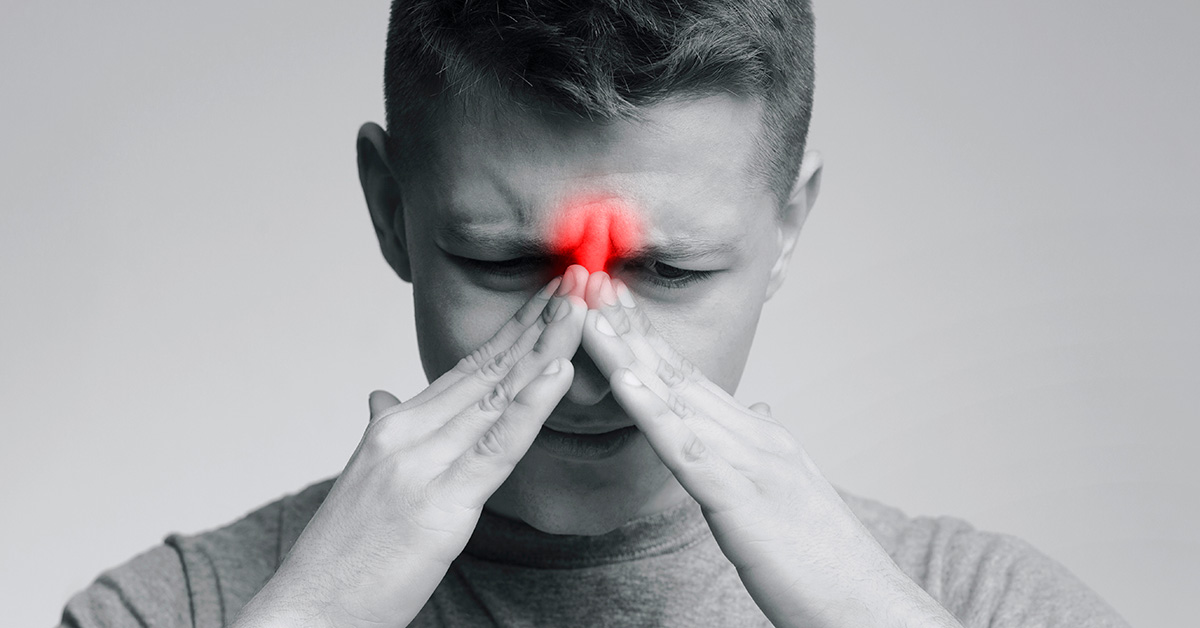
- Facial pressure or pain around the cheeks, forehead, or eyes
- Nasal congestion and thick yellow or green mucus
- Post-nasal drip causing throat irritation
- Fatigue and a reduced sense of smell or taste
- Headache that worsens when bending forward
If symptoms last longer than 10 days or keep returning, it’s likely a sinus infection rather than a cold.
The Role of Allergies and Inflammation
In many adults, fall sinus infections are actually linked to untreated allergies. When allergies cause ongoing inflammation inside the nose and sinuses, normal drainage becomes blocked, allowing bacteria to grow. Even mild allergies can set off this chain reaction. That’s why people who experience frequent sinus infections may benefit from allergy testing and long-term management rather than just antibiotics.
Prevention Tips for a Healthy Fall
Keeping your sinuses clear and healthy during the fall doesn’t have to be difficult. A few simple habits can make a big difference:
- Stay hydrated to keep mucus thin and flowing.
- Use a humidifier indoors when the air gets dry.
- Rinse your nasal passages with a saline spray or rinse daily.
- Avoid known allergens when possible and keep windows closed during high pollen days.
- Replace air filters and vacuum regularly to reduce dust and mold exposure.
- Treat allergies early with medication or under the care of a sinus and allergy specialist.
When to See a Specialist
If you’re experiencing recurring sinus infections every fall, or symptoms that don’t respond to over-the-counter treatments, it may be time to see a sinus specialist. Chronic sinus infections often indicate underlying issues such as nasal polyps, structural blockages, or untreated allergies that require targeted care.
With the right evaluation and treatment plan, you can enjoy the fall season without constant congestion, headaches, or fatigue. Early intervention not only brings relief but also helps prevent more serious sinus complications later on.