How Allergies Affect Your Sleep
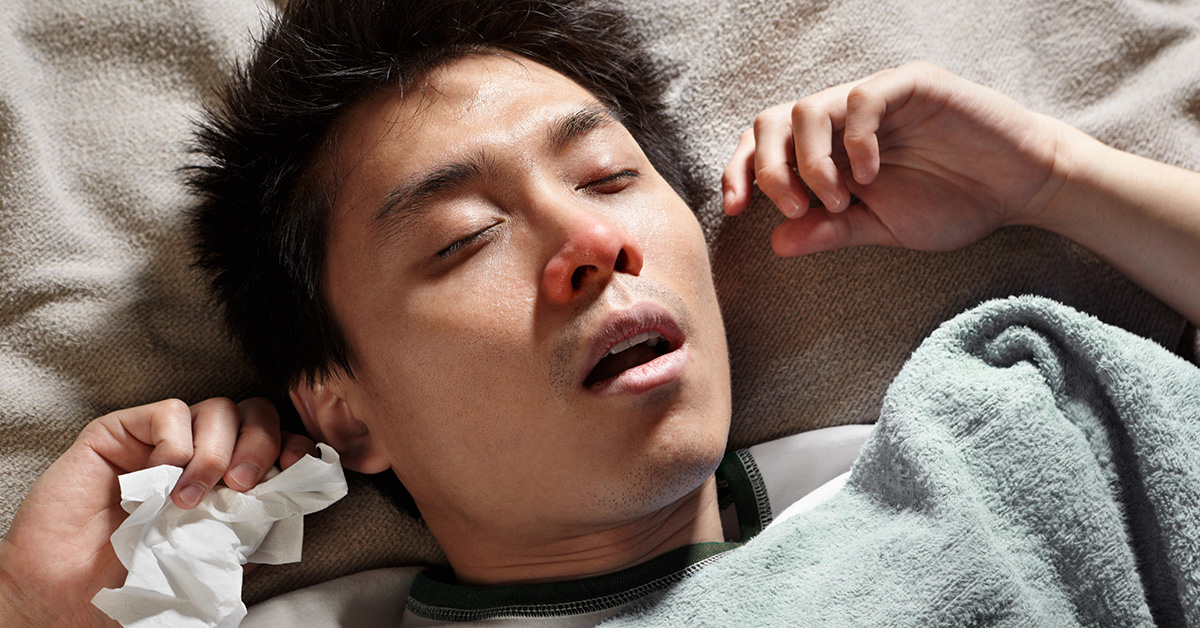
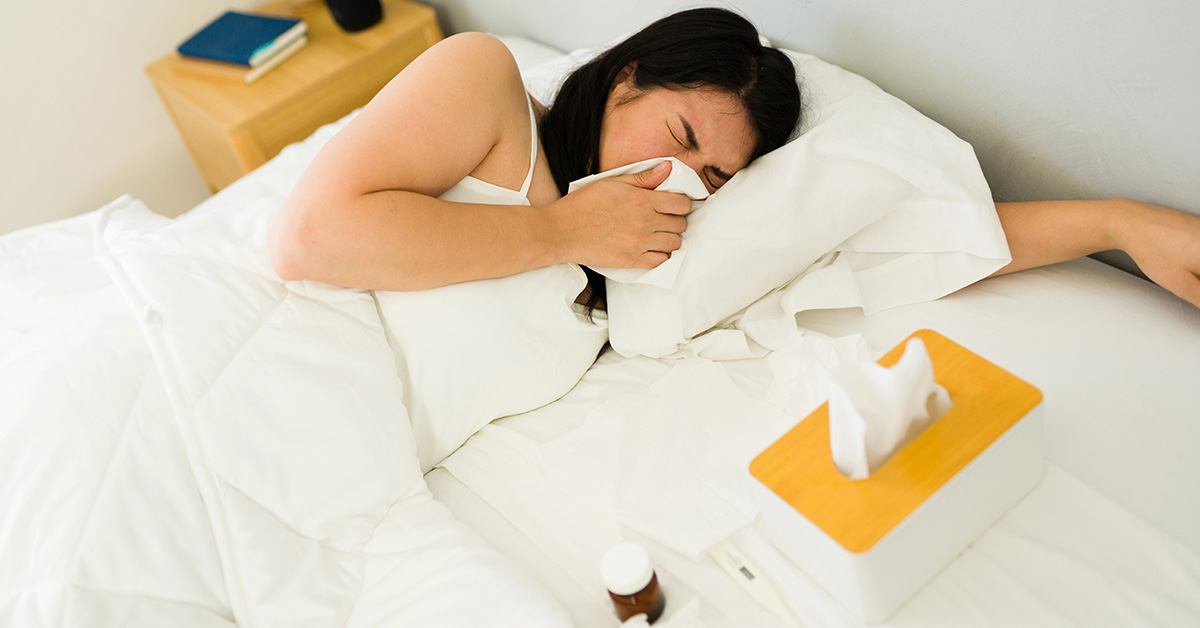
If you wake up congested, foggy, or exhausted no matter how many hours you spend in bed, allergies may be the hidden culprit. For many people, nighttime is when allergy symptoms hit hardest. Nasal congestion, postnasal drip, and sinus pressure don’t just make you uncomfortable—they actively interfere with the quality of your sleep.
Why Allergies Disrupt Sleep
Allergic rhinitis (hay fever) triggers inflammation in the nasal passages and sinuses. When you’re lying down, gravity allows mucus to pool more easily. This leads to:
- Blocked nasal passages that force mouth breathing
- Increased snoring or disrupted airflow
- Frequent awakenings from coughing, throat clearing, or the sensation of drowning in mucus
- Dry mouth and sore throat by morning
These interruptions prevent you from reaching the deeper stages of sleep your body needs for recovery. Over time, the cycle of poor sleep can worsen daytime fatigue, reduce concentration, and even heighten sensitivity to allergens the next day.
Seasonal allergens like pollen, or year-round triggers such as dust mites, pet dander, and mold, are common offenders. Indoor allergens often peak at night because you spend hours in close contact with bedding, carpets, and pillows that collect particles.
The Connection to Sinus and Sleep Issues
Chronic nasal obstruction from allergies can contribute to or worsen conditions ENT specialists see regularly, including:
- Recurrent sinus infections
- Sleep-disordered breathing
- Worsening of existing snoring or mild sleep apnea symptoms
When the nose stays blocked for long periods, the body compensates by breathing through the mouth. This dries out the throat, increases inflammation, and can lead to restless nights and morning headaches.
Practical Steps to Sleep Better with Allergies
You don’t have to accept poor sleep as inevitable. Several strategies can reduce nighttime symptoms:
Control your sleep environment
- Use allergen-proof covers on pillows and mattresses.
- Wash bedding weekly in hot water.
- Keep windows closed during high pollen counts and run a HEPA air purifier in the bedroom.
- Shower and change clothes before bed to remove pollen collected during the day.
Support clearer nasal passages
- Elevate the head of your bed slightly or use an extra pillow to reduce congestion.
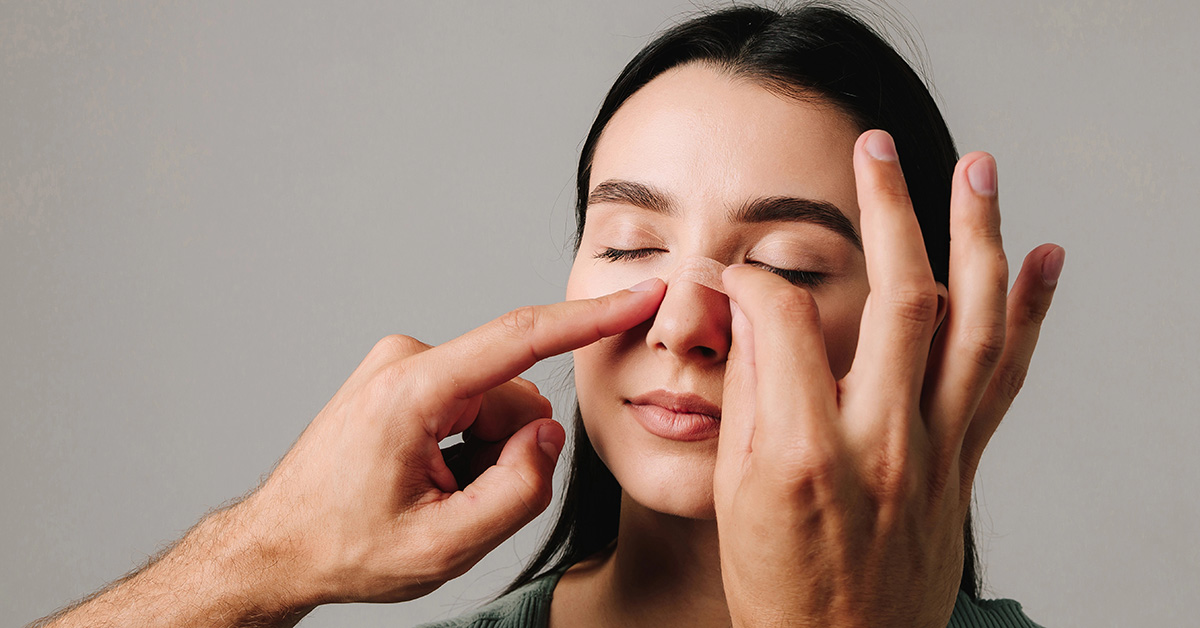
- Rinse with saline nasal spray or a neti pot before bed (use distilled or previously boiled water).
- Consider over-the-counter nasal steroid sprays or non-drowsy antihistamines if appropriate—discuss options with your doctor first.
Timing matters
Avoid outdoor activities in the early morning or evening when pollen levels are often highest. Check daily pollen counts and plan indoor activities when counts spike.
These steps help many people notice better airflow and fewer nighttime awakenings within a week or two.
When to See an ENT Specialist
If lifestyle changes and basic allergy measures aren’t enough, it’s time for a professional evaluation. Persistent congestion, frequent sinus infections, loud snoring, or daytime sleepiness that doesn’t improve may signal a need for more targeted care. An ENT can assess whether structural issues, chronic inflammation, or other factors are contributing and discuss options ranging from prescription therapies to advanced treatments when appropriate.
Quality sleep is essential for immune function, mood, and overall health. Addressing the allergy component of your nighttime struggles can make a meaningful difference in how rested you feel each morning.
If allergies are regularly interrupting your sleep, schedule a consultation. Identifying the specific triggers and finding the right management plan can help you reclaim more restful nights.