When Sinuses Sabotage Your Sleep
Many people know that sleep apnea can leave them exhausted, foggy, and at higher risk for serious health problems. Fewer realize that chronic sinus issues often play a quiet but powerful role in making sleep apnea worse—or even contributing to its development in the first place.
If you struggle with both nasal congestion and restless nights, the two problems may be more connected than you think.
How Sinus Problems Affect Breathing During Sleep
Obstructive sleep apnea occurs when the upper airway collapses or becomes blocked during sleep, causing breathing to pause repeatedly. While the throat is the most common site of obstruction, the nose plays a critical supporting role.
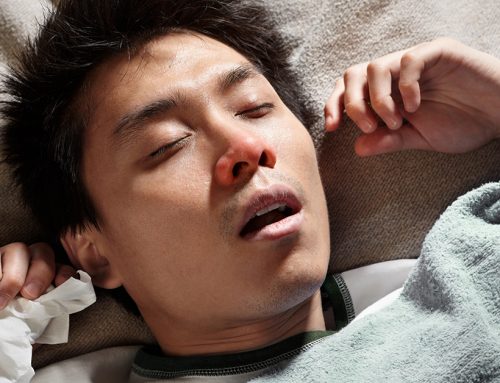
When the nasal passages are swollen or blocked by chronic sinusitis, allergies, a deviated septum, or nasal polyps, airflow is restricted. This forces many people to breathe through their mouths. Mouth breathing changes the position of the tongue and soft tissues in the throat, increasing the likelihood of airway collapse.
Even mild nasal obstruction can raise the effort required to breathe during sleep. Over time, this added resistance can worsen the severity of sleep apnea or make existing symptoms more noticeable.
Shared Symptoms That Often Overlap
People dealing with both sinus issues and sleep apnea frequently experience:
- Persistent nasal congestion or postnasal drip
- Loud snoring
- Mouth breathing at night
- Morning headaches or dry mouth
- Daytime fatigue and difficulty concentrating
- Frequent nighttime awakenings
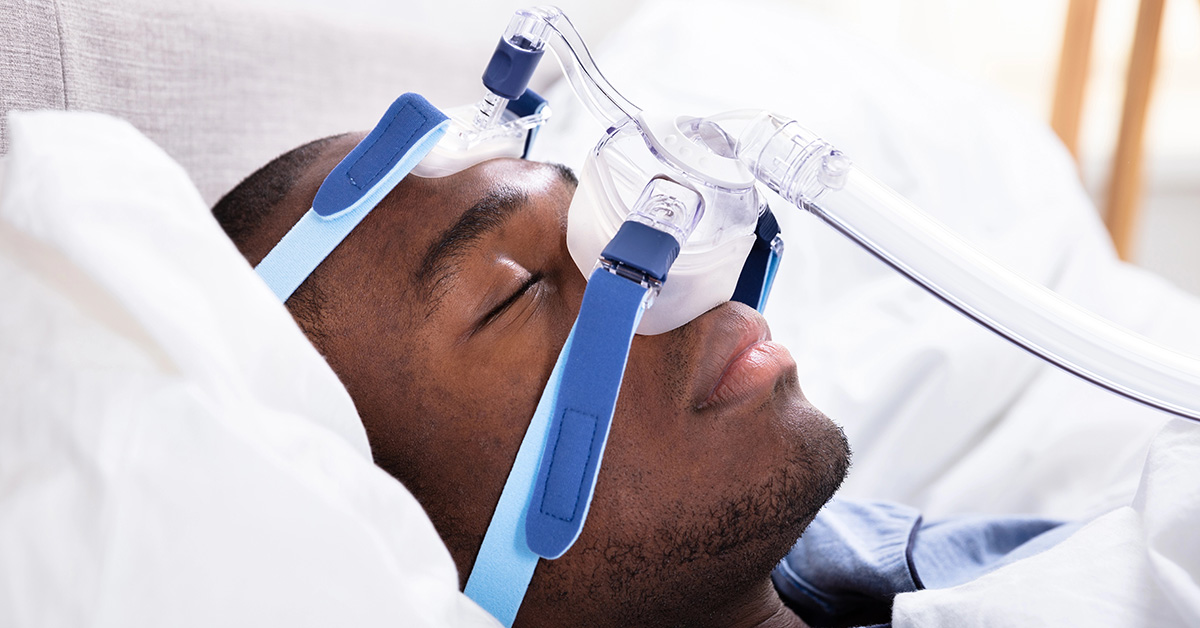
- Reduced tolerance for CPAP therapy
Because these symptoms can stem from either condition—or both—it is easy for one problem to mask the other. Addressing only the sinuses or only the sleep apnea may leave patients feeling only partially better.
Why Treating Both Matters
Improving nasal airflow can make a meaningful difference for people with sleep apnea. Clearer nasal passages often lead to quieter sleep, better oxygen levels, and improved comfort with positive airway pressure devices. In some cases, reducing nasal obstruction can lower the severity of mild sleep apnea or decrease the pressure settings needed for effective CPAP use.
At the same time, untreated sleep apnea can worsen inflammation and swelling in the nasal passages, creating a cycle that is difficult to break without a comprehensive approach.
How an ENT Specialist Can Help
An ear, nose, and throat specialist is uniquely positioned to evaluate both the nasal airway and the structures involved in sleep-disordered breathing. A thorough examination may include assessment of the septum, turbinates, sinus openings, and throat anatomy.
Treatment options are tailored to the individual and may include:
- Medical management of allergies or chronic sinusitis
- Nasal steroid sprays or saline therapy
- Minimally invasive procedures to improve nasal airflow
- Evaluation for surgical options when structural issues are present
- Coordination with sleep specialists for comprehensive care
The goal is not simply to treat one symptom, but to restore more natural, efficient breathing during sleep.
Taking the Next Step
If you live with ongoing sinus congestion and struggle with snoring, daytime sleepiness, or restless sleep, it is worth exploring whether the two are connected. Many patients find that addressing nasal and sinus issues brings noticeable improvements in both comfort and sleep quality.
A consultation with an experienced ENT physician can help clarify the relationship between your sinus health and your sleep, and guide you toward solutions that support better breathing day and night.
Quality sleep begins with a clear airway. Understanding the link between your sinuses and sleep apnea is often the first step toward lasting relief.
This information is for educational purposes only and is not a substitute for professional medical advice. Always consult a qualified healthcare provider for diagnosis and personalized treatment recommendations.