What is Sleep Apnea?
Sleep apnea is a common but often overlooked sleep disorder in which breathing repeatedly stops and starts during sleep. These interruptions can last from a few seconds to more than a minute and may occur dozens or even hundreds of times each night. Because many people are unaware of what happens while they sleep, sleep apnea frequently goes undiagnosed for years.
Understanding the condition is the first step toward better rest, improved daytime energy, and long-term health.
How Sleep Apnea Affects Breathing
During normal sleep, the muscles that support the airway remain relaxed but still allow air to flow freely. In sleep apnea, this process is disrupted. The most common form, obstructive sleep apnea, occurs when the soft tissues of the throat collapse and block the airway. As a result, airflow is reduced or stops completely.
When breathing pauses, oxygen levels in the blood drop. The brain briefly wakes the body just enough to reopen the airway, often with a gasp, snort, or choking sound. These micro-awakenings fragment sleep, preventing the deep, restorative stages the body needs.
Types of Sleep Apnea
There are three main types of sleep apnea:
Obstructive Sleep Apnea (OSA)
This is the most common form. It happens when the upper airway becomes physically blocked during sleep. Factors such as excess tissue in the throat, a large tongue, enlarged tonsils, or a recessed jaw can contribute.
Central Sleep Apnea
In this less common type, the brain fails to send the proper signals to the muscles that control breathing. The airway itself remains open, but the breathing effort temporarily stops.
Complex (or Mixed) Sleep Apnea
This form combines elements of both obstructive and central sleep apnea.
Common Signs and Symptoms
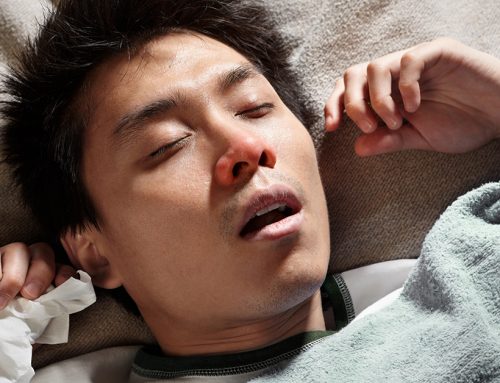
Many people with sleep apnea are told by a bed partner that they snore loudly, gasp, or stop breathing during the night. Other frequent symptoms include:
- Excessive daytime sleepiness
- Morning headaches
- Difficulty concentrating or memory problems
- Irritability or mood changes
- Waking up frequently during the night
- Dry mouth or sore throat upon waking
- Restless sleep
Not everyone who snores has sleep apnea, and not everyone with sleep apnea is aware that they snore. Daytime fatigue is often the symptom that prompts people to seek evaluation.
Who Is at Higher Risk?
Certain factors increase the likelihood of developing sleep apnea. These include:
- Excess weight, particularly around the neck
- Being male (though the risk for women rises after menopause)
- Age over 40
- A family history of sleep apnea
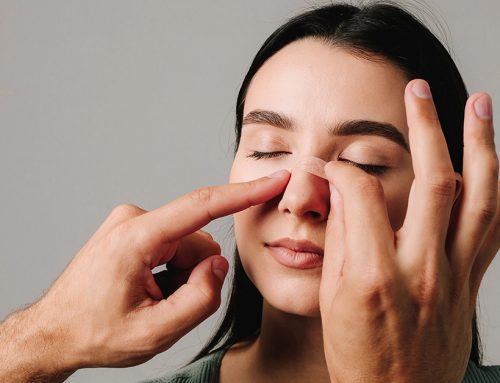
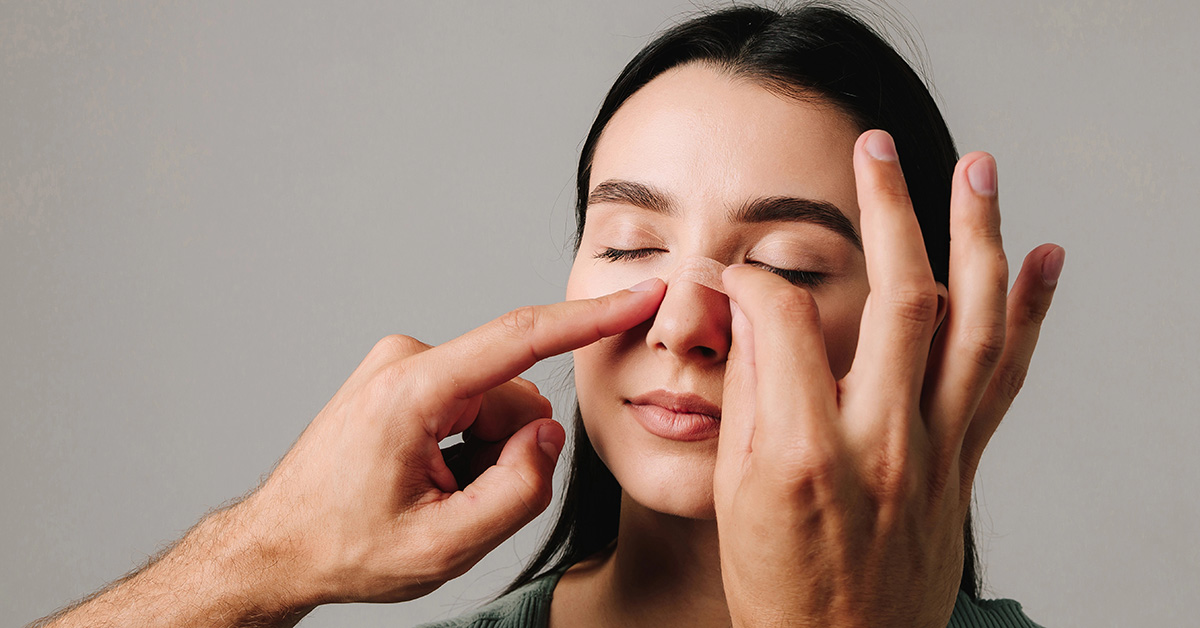
- Nasal congestion or structural issues in the nose and throat
- Smoking and alcohol use
- Large tonsils or adenoids (especially in children)
Even people who are not overweight can develop sleep apnea due to anatomical factors.
Why Sleep Apnea Matters
Untreated sleep apnea does more than cause tiredness. The repeated drops in oxygen and fragmented sleep place ongoing stress on the body. Over time, this can contribute to high blood pressure, heart disease, stroke, type 2 diabetes, and an increased risk of accidents related to daytime drowsiness.
Addressing sleep apnea can improve energy, mood, concentration, and overall cardiovascular health.
How Sleep Apnea Is Diagnosed
Diagnosis typically begins with a detailed discussion of symptoms and medical history. A sleep study—either in a sleep laboratory or with a home testing device—measures breathing patterns, oxygen levels, and sleep stages. This information helps determine the severity of the condition and guides treatment decisions.
Treatment Options
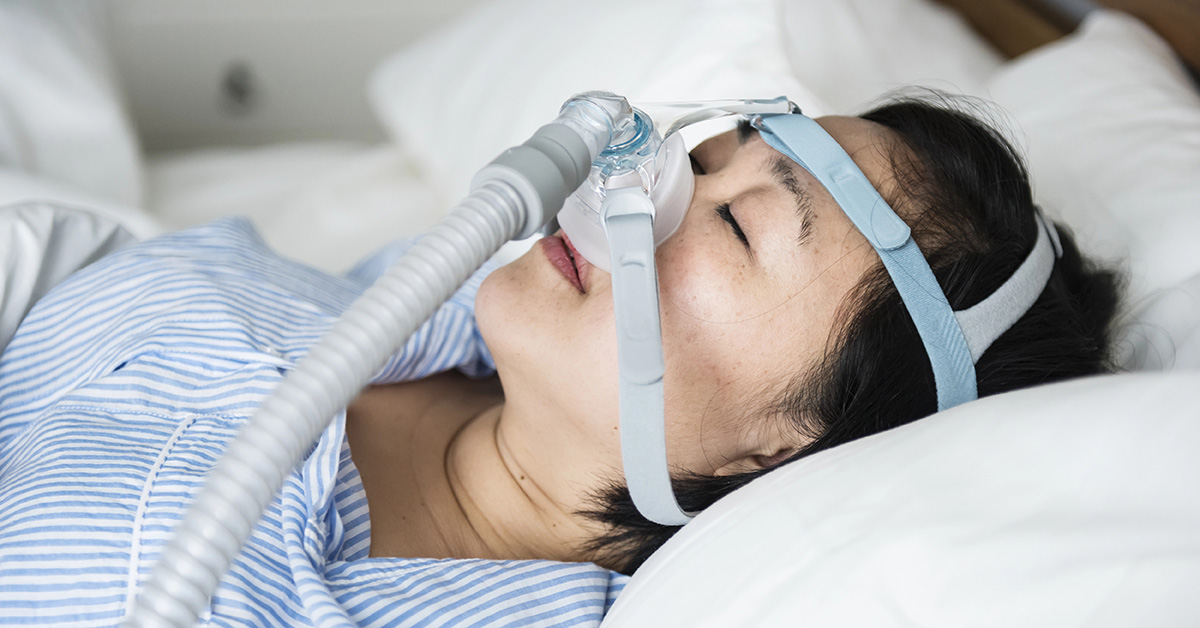
Treatment depends on the type and severity of sleep apnea, as well as individual anatomy and preferences. Common approaches include lifestyle changes, oral appliances that reposition the jaw, continuous positive airway pressure (CPAP) therapy, and, in some cases, surgical procedures to improve the airway.
An ENT specialist can evaluate the structures of the nose, throat, and airway to help determine the most appropriate next steps.
Taking the Next Step
If you or a loved one experiences loud snoring, gasping during sleep, or persistent daytime fatigue, it may be time to explore whether sleep apnea is the cause. Early evaluation can lead to better sleep, improved daily functioning, and protection of long-term health.
A consultation with an experienced ENT physician can provide clarity and a personalized path forward. Quality sleep is not a luxury—it is a foundation for overall wellness.
This information is intended for educational purposes and should not replace professional medical advice. Always consult a qualified healthcare provider for diagnosis and treatment recommendations.